Success within the HVAC service industry relies on the ability to retain and grow a customer base. The easiest way to do this is through proactive customer support and timely servicing. While this might seem on the surface to be fairly simple, there are 3 major areas where HVAC service companies can utilize automation in order to add significant value for their customers. Doing so can increase customer satisfaction, without creating much more work for them.
Automating a HVAC system is a quick and simple process that provides significant benefits to both the installer as well as the homeowner or facility manager through a number of different areas. In this blog, we will look at 3 of these.
 HVAC Remote Monitoring
Most homeowners have no knowledge regarding the need for regular or preventive maintenance for their VRF HVAC System. As a result, they only call a service technician once the unit has a problem, which generally requires much more costly repair service. 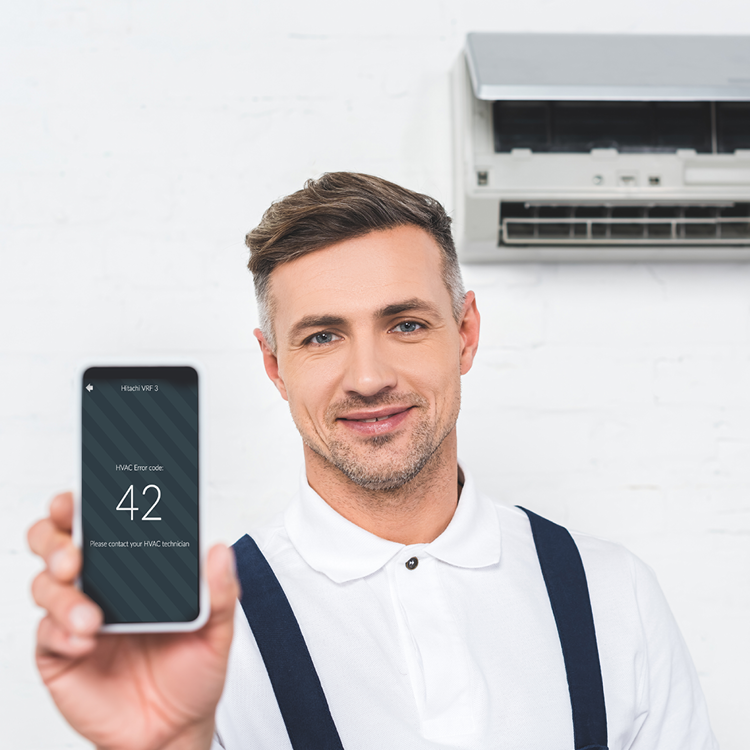
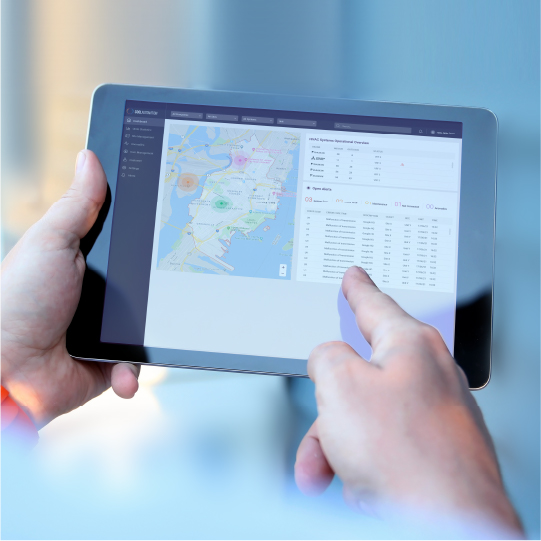
HVAC automation enables HVAC service companies to monitor HVAC systems remotely, ensuring their precious resources are used more effectively. It also reduces the necessity of on-site visits, minimizing technicians' wasted time traveling.
Simply put, HVAC remote monitoring enables the technician to provide remote, off-site diagnostics, quicker, and more efficient repairs, and ultimately, a much improved overall service experience for the customer. Regardless of where the equipment is located, you’ll gain complete visibility meaning that problems are detected early and downtime is prevented.
Improved Energy Efficiency
Automation systems focus on ensuring that the HVAC unit(s) are functioning optimally. If for some reason, a unit’s efficiency begins to fall, the technician can easily see where the problem is and how to fix it. This means they can go to the right location, with the right tools, at just the right time, every single time. No more wasted time on the roads or ineffective check-ups. Instead, visits will only be made based on actual equipment status, rather than a fixed schedule.In addition to better maintenance scheduling, since the automation system focuses on improving inner working mechanisms of the VRF HVAC system, it can improve the energy efficiency of any unit or system. This works regardless of whether there is a connected smart system already installed. This means that your precious HVAC management tools can be focused on where they’re needed most.
Lastly, to improve the energy efficiency of your HVAC system, it's essential to perform certain preventive maintenance actions such as real-time monitoring for cleaning filters on indoor units and washing the coils on outdoor units. These measures are crucial in ensuring that your system runs smoothly and efficiently.
Individualized Attention

Thankfully, automation enables HVAC service providers to improve customer satisfaction by providing more accurate and timely information about equipment performance, reducing downtime, and improving overall system performance. Technicians only show up where, and when, they’re needed – no annoying scheduled check-ups or fixes. Customer satisfaction will be drastically increased which will have a positive spin-off for your HVAC management business such as word-of-mouth recommendations: the gold standard across the service industry.
The Bottom Line
Through the quick and simple installation of a building HVAC automation system, HVAC professionals can more effectively service their installed units. By utilizing the automation tools such as predictive maintenance and HVAC remote monitoring, they can provide individualized attention to each one of their customers. This combination creates stronger and longer lasting relationships with their customers, and many more opportunities to further grow their businesses.